Instant Coffee vs Specialty Coffee Beans: What’s Really Worth It?

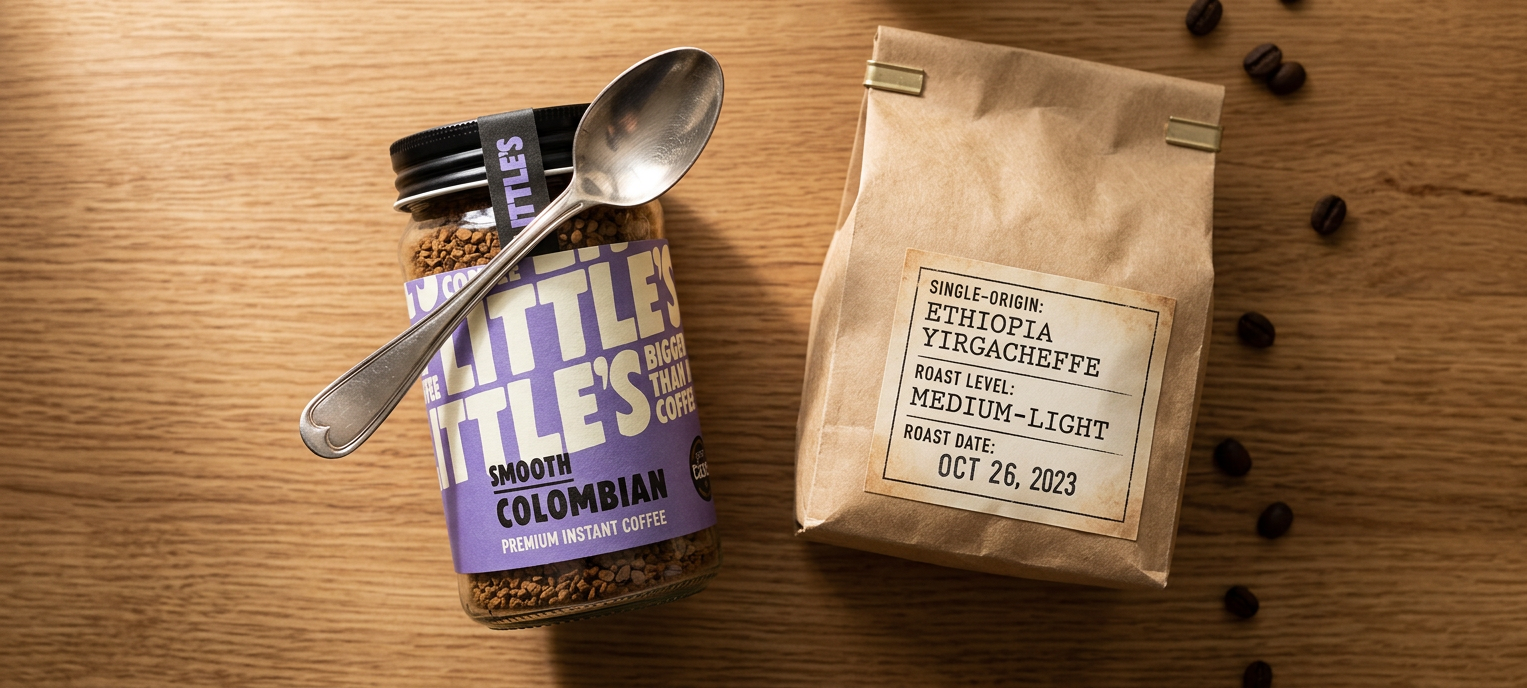
I remember picking up a jar of Little’s Colombian instant coffee expecting very little — just another quick, forgettable cup. But the first sip caught me off guard; it was smoother, cleaner, and far more drinkable than I anticipated. That moment made me realize instant coffee isn’t always as bad as its reputation suggests. But that surprise has a ceiling — and specialty coffee has no ceiling at all.
The global instant coffee market is projected to surpass $40 billion in the coming years (Mordor Intelligence) — yet specialty coffee continues to be the fastest-growing segment worldwide, driven by premiumization and shifting consumer preferences.
The irony? Both worlds are booming.
What Instant Coffee Actually Is — And Why It Gets a Bad Rap
Instant coffee has a reputation problem. Mention it to a specialty coffee crowd and watch the faces. But having tasted my way through dozens of instant coffees across three continents, I think most people are arguing about a category they haven’t explored in years.
From Spray-Dried to Freeze-Dried — How Instant Coffee Is Actually Made
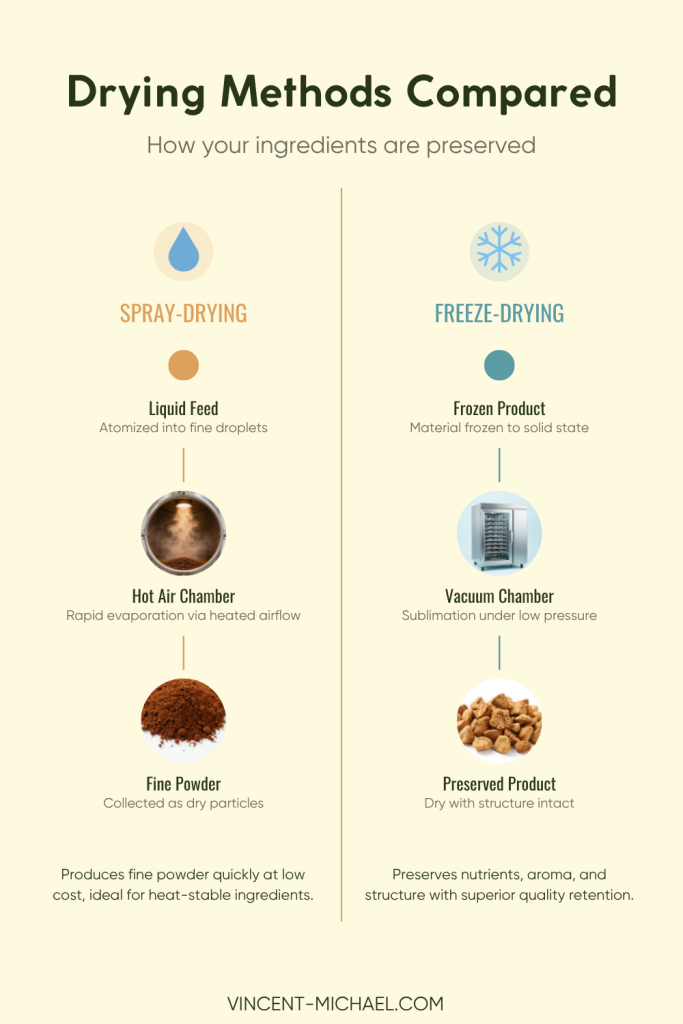
Instant coffee is brewed liquid coffee that’s been dehydrated into a shelf-stable powder or granule. Spray-drying blasts hot liquid coffee through a nozzle, producing fine powder quickly and cheaply. Freeze-drying brews coffee at low temperature, locks it into ice, then removes moisture in a vacuum — preserving far more aroma compounds in the process. The method determines everything about what ends up in your cup.
If you’re new to how instant coffee actually works, this breakdown of instant coffee crystals vs powder explains why some jars taste flat while others retain real flavor.
The difference isn’t subtle. Spray-dried coffee often tastes flat and bitter because heat destroys volatile aromatics. Freeze-dried versions retain enough complexity that some — genuinely — can pass a blind taste test against a mediocre drip brew. If you’ve only ever tried the former, you haven’t actually tried the latter.
The Instant Coffee Spectrum — Budget Granules to Premium Jars
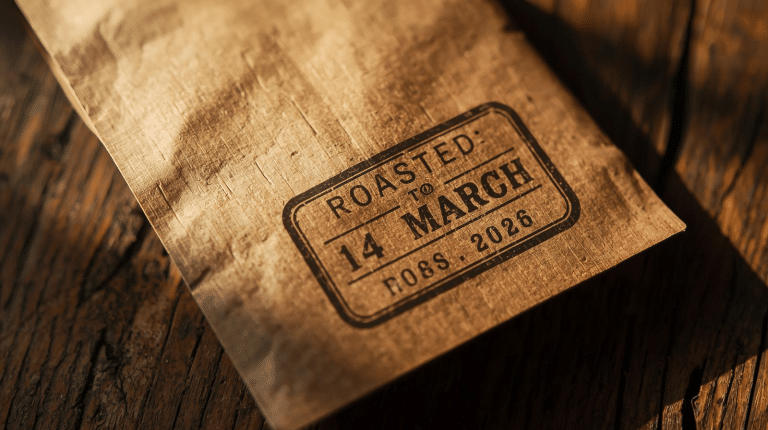
Not all soluble coffee is created equal, and the shelf proves it. At one end: commodity robusta granules, mass-produced and priced for volume. At the other: single-serve instant coffee packets made from specialty-grade arabica, freeze-dried and packaged with a roast date visible on the label.
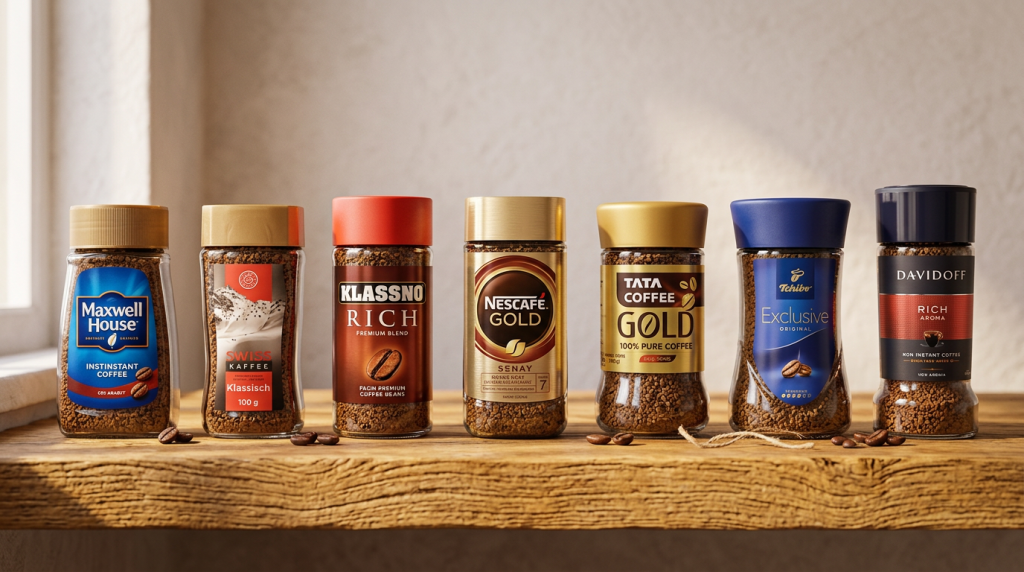
If you’re exploring better options, here are the best instant coffee brands for busy professionals that consistently outperform typical supermarket jars.
The gap between a $2 supermarket jar and a $15 premium instant is roughly the same as the gap between a fast-food burger and a proper restaurant one. Same category. Completely different experience.
Little’s Colombian and Italian Range — The Case for Premium Instant
Little’s changed how I thought about instant coffee. Their Colombian freeze-dried jar — 100% arabica, sourced from Colombia’s Huila region — carries a mild nuttiness and clean finish that I wasn’t expecting from a soluble product. Their Italian Roast option skews darker, with a richer body that holds up to milk without disappearing.
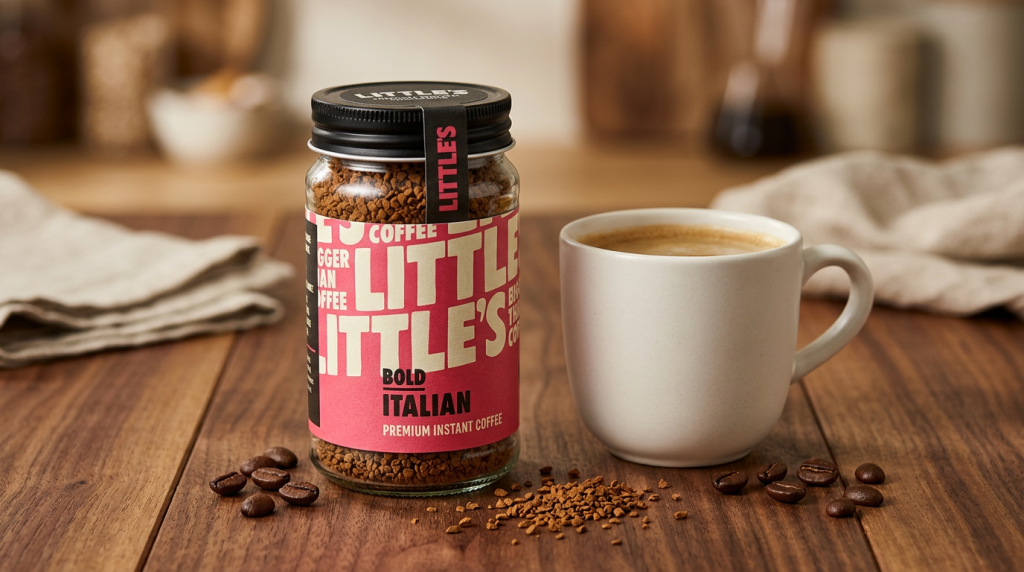
Neither jar pretends to be a third-wave pour-over. But for a weekday morning when the grinder stays in the cupboard? They’re genuinely good coffee — not a compromise.
Understanding what instant coffee is makes the next comparison fairer — because specialty coffee beans are playing an entirely different game.
What Makes Specialty Coffee Beans Different from Everything Else
Premium instant has come a long way — but it still can’t touch what’s happening at the top end of the specialty world. The gap isn’t elitism. It’s science, geography, and obsessive attention at every step from seed to bag.
The SCA Score and What “Specialty Grade” Legally Means
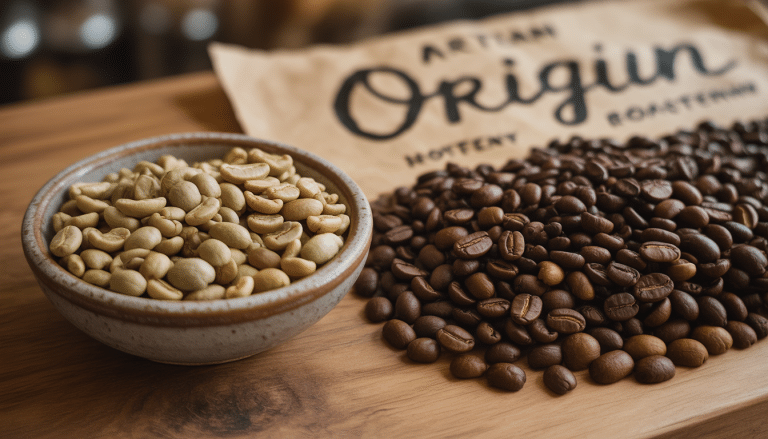
Specialty coffee isn’t a vibe — it’s a score. The Specialty Coffee Association grades green beans on a 100-point scale across factors like aroma, flavor, aftertaste, acidity, and defects. Only coffees scoring 80 or above qualify as specialty grade. Anything below that is commodity coffee, regardless of how it’s marketed or packaged.
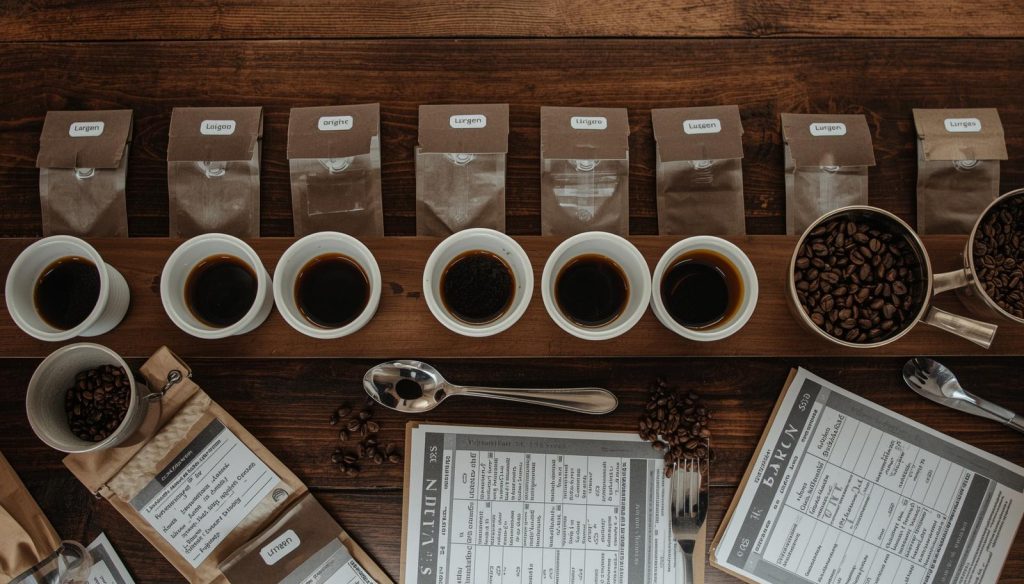
That threshold matters because it filters out entire categories of defect — quakers, insect damage, and fermentation faults. What’s left is a bean with traceable origin, consistent processing, and flavor potential that hasn’t been destroyed before it reaches a roaster.
Single Origin vs Blends — Two Completely Different Goals
A single origin coffee from Yirgacheffe, Ethiopia tastes like blueberry and jasmine because of where it grew — the altitude, soil, and microclimate of that specific farm.
A blend, by contrast, is engineered for consistency: a roaster combines beans so the cup tastes the same every morning, every bag. Neither is wrong. They just want different things from you.
Processing Methods and Why They Unlock Unlimited Flavor
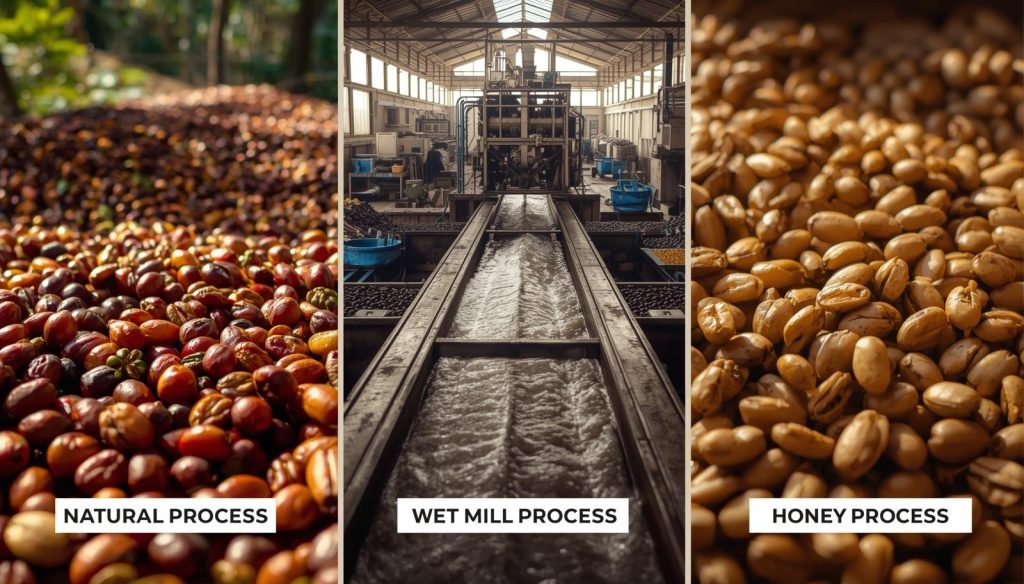
This is where specialty coffee gets genuinely strange — in the best way. A natural process Ethiopian coffee, where the whole cherry dries around the bean for weeks, can taste like strawberry wine. A washed version of that same coffee, where the fruit is removed immediately, tastes clean and bright instead. Same origin. Completely different cup.
Processing method is one of the most powerful flavor variables in coffee, and it’s almost never discussed on supermarket shelves.
Once you understand what specialty beans are actually capable of, the head-to-head taste comparison with instant becomes a lot more interesting.
Taste, Aroma & Experience — A Head-to-Head Comparison
Now that we’ve covered what each coffee actually is, the real question is what lands in your cup. I’ve brewed both obsessively — and the gap is real, but it’s not always the gap people expect.
The Cup Experience — Convenience vs Complexity
Instant coffee delivers a consistent, repeatable result in under two minutes. That’s not a criticism — it’s a feature. A jar of Little’s Colombian on my desk means I’m caffeinated before my laptop boots.
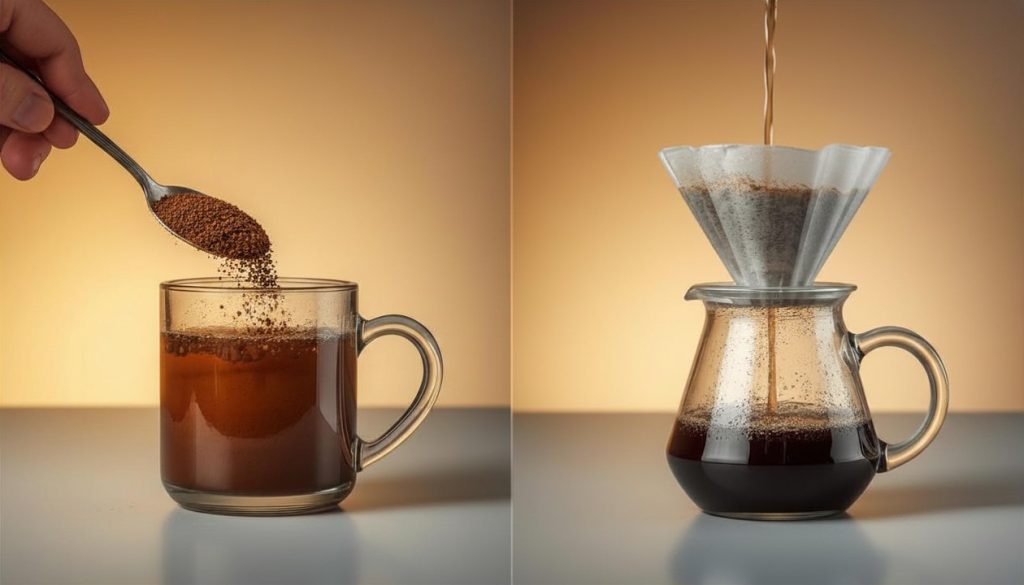
Specialty brewing, whether pour-over or AeroPress, demands attention: grind size, water temperature, bloom time. The process itself is part of the experience. For some mornings, that’s meditative. For others, it’s genuinely too much.
Flavor Range — Ceiling vs Spectrum
Instant coffee has a flavor ceiling; specialty coffee has a flavor spectrum. The best freeze-dried instant — think high-end Colombian or Ethiopian single-serve formats — tops out at clean, balanced, and pleasant.
Specialty beans from a natural-processed Ethiopian Yirgacheffe can hit strawberry, jasmine, and dark chocolate in a single cup. That range simply isn’t possible in soluble form.
If you’re curious what drives those differences, my guide to single origin coffee for beginners explains how terroir and processing shape those tasting notes.
When Instant Coffee Wins the Experience Argument
Travel, altitude, and exhaustion level the playing field fast. Convenience isn’t a consolation prize when the alternative is no coffee at all. For everyday office use or hotel rooms, a quality instant still beats a bad drip machine every time.
Cost and lifestyle fit matter just as much as taste — so next, let’s break down what you’re actually paying per cup on both sides.
Cost, Convenience & Lifestyle Fit — How to Choose
After tasting the ceiling on both sides, the real question isn’t which coffee tastes better in a lab — it’s which one fits your actual life. And that comes down to money, time, and honesty about how you drink coffee most days.
True Cost Per Cup — Breaking Down Both Worlds
Specialty coffee costs more per bag but often less per cup than you’d expect. A quality 250g single-origin bag at around $18–22 USD typically yields about 14–17 cups brewed with an AeroPress or pour-over, putting the cost at roughly $1.20–$1.50 per cup.
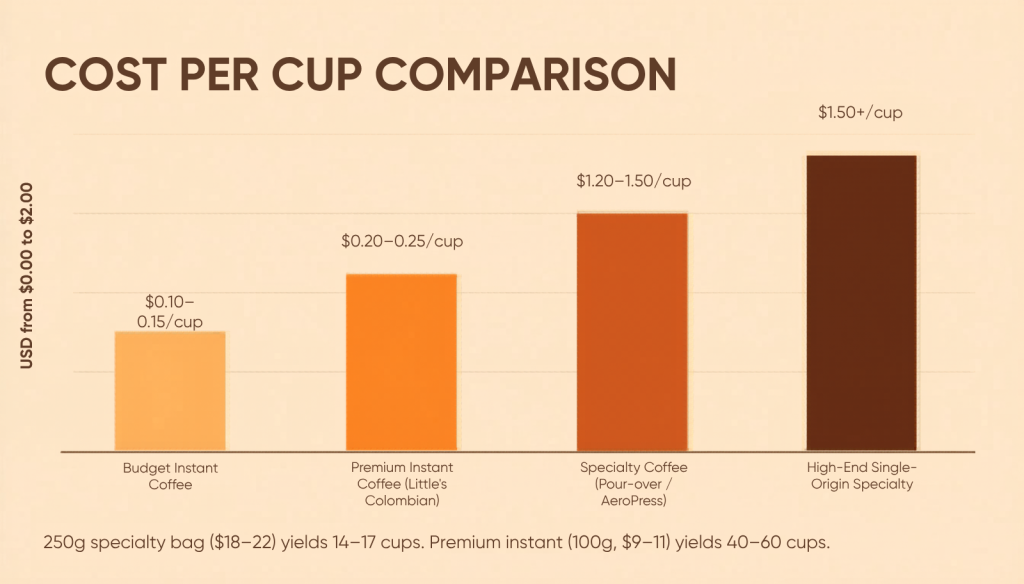
Premium instant like Little’s Colombian runs about $9–11 for 100g — yielding roughly 40–60 cups depending on how strong you make it — putting you around $0.20–$0.25 per cup. Budget instant drops even further.
The gap is real, but it’s narrower than most people assume once you factor in café prices.
Where specialty coffee bleeds money is equipment — grinders, kettles, brewers — not the beans themselves. If you’re already set up, the per-cup math becomes genuinely competitive.
4-Question Decision Checklist
Ask yourself four things before you buy either:
Do you have five minutes in the morning or ninety seconds?
Do you care about flavor complexity or just reliable caffeine?
Are you brewing for one or for a household?
And do you drink coffee at a desk, on a trail, or in a hotel room?
If two or more answers point toward speed and portability, check out my top picks for single-serve instant coffee packets — they cover every scenario from office drawers to carry-on bags.
The Hybrid Approach — What Most Coffee Lovers Actually Do
Honest answer: I use both. Specialty beans on weekend mornings when I have time for a proper V60 brew. Premium instant Tuesday through Thursday when I need coffee before a 7am call.
Most serious coffee people I know operate the same way — not as a compromise, but as a deliberate choice. The two formats solve different problems. Treating them as competitors misses the point entirely.
That mindset shift — specialty and instant as tools, not rivals — is exactly what makes the next section worth reading, because the myths keeping people stuck in one camp are mostly wrong.
3 Myths About Instant Coffee vs Specialty Coffee Beans — Debunked
After breaking down costs and lifestyles, I want to clear the air on a few things. These myths have been circulating in coffee circles for years — and honestly, they’re holding people back from enjoying their cup, whatever that looks like.
Myth #1: Instant Coffee Is Just Low-Quality Robusta Powder
This one was true once. Walk into a supermarket in the 1990s and you were often getting instant coffee built on lower-grade blends, with a heavy reliance on Robusta — bitter, thin, and forgettable. But that’s not the landscape anymore.
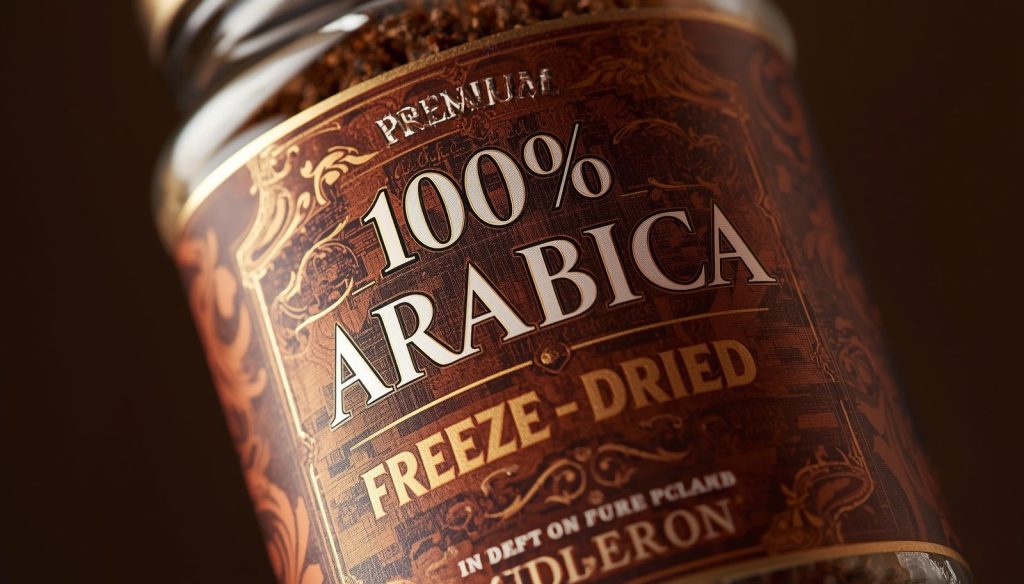
Brands like Little’s and Voilà are producing freeze-dried, single-origin instant coffees made from high-quality Arabica beans, often with traceable sourcing to match. Check the label. “100% Arabica, freeze-dried” means something very different from the generic granules your office keeps around.
Myth #2: Specialty Coffee Is Only for Experts with Expensive Equipment
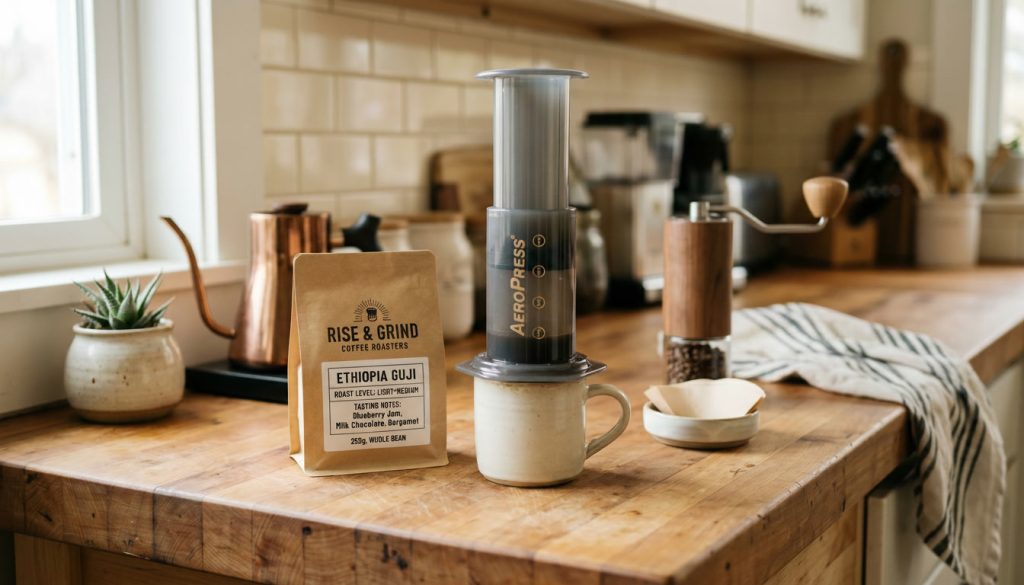
Specialty coffee does not require expensive gear or barista training to enjoy. A $30 AeroPress and a bag of freshly roasted single-origin beans — ground just before brewing — is genuinely all you need to make something remarkable at home. The specialty label refers to the bean’s quality score, not the complexity of your setup.
Myth #3: More Expensive Coffee Always Tastes Better
Price reflects rarity, not necessarily your enjoyment. I’ve had $40 micro-lot naturals that tasted like funky fermented fruit — technically impressive, not my cup. And I’ve had a $12 Colombian instant from Little’s that hit every note I wanted on a Tuesday morning.
Taste is personal. Terroir, processing method, and roast profile all shape what lands in your mug. Spend time on understanding roast levels before you spend money chasing price tags.
With the myths out of the way, let’s wrap up with a clear verdict and the questions I get asked most.
Takeaway
Instant coffee and specialty beans aren’t rivals — they’re tools for different moments, and the best coffee drinkers know when to reach for each. One gives you speed and consistency; the other offers depth, nuance, and endless exploration. The real upgrade isn’t choosing sides — it’s understanding both.
Start with one premium instant and one 100g single-origin bag this week. Taste them side by side. Your opinion will form faster than any article ever could — and from there, you’ll know exactly where each belongs in your routine.
Frequently Asked Questions
Is instant coffee actually real coffee?
Yes — it’s brewed coffee that has been dehydrated. It’s 100% coffee, just processed differently to dissolve in water.
Which is stronger — instant coffee or specialty coffee beans?
Caffeine content depends on preparation, not the form. Specialty coffee made as espresso is far stronger than most instant cups; made as a filter, they’re comparable.
Can instant coffee ever taste as good as specialty coffee beans?
Premium freeze-dried instant can be genuinely impressive, but the flavor ceiling is lower — specialty beans offer complexity that instant chemistry physically can’t replicate.
Which is better for someone just getting into coffee — instant or specialty?
Start with a premium instant to calibrate what you like, then use a beginner-friendly single origin to expand from there — the contrast teaches you more than either alone.
Is specialty coffee worth the extra cost compared to instant?
Depends on your priority. If you value flavor exploration and have 10 minutes, yes. If you value speed and consistency, premium instant is genuinely excellent value.